Physical Worlds
Physical simulations, from flowing fluids to self-assembling parts, are how engineers test ideas before building them. They are also slow, which is why fast stand-ins for them, such as neural networks trained on their output, are spreading.
These experiments run real physics in your browser and ask research questions about it: when a fast stand-in can be trusted, what it costs to find out, and how to steer a fluid that drives itself, and a swarm that all feels the same push.
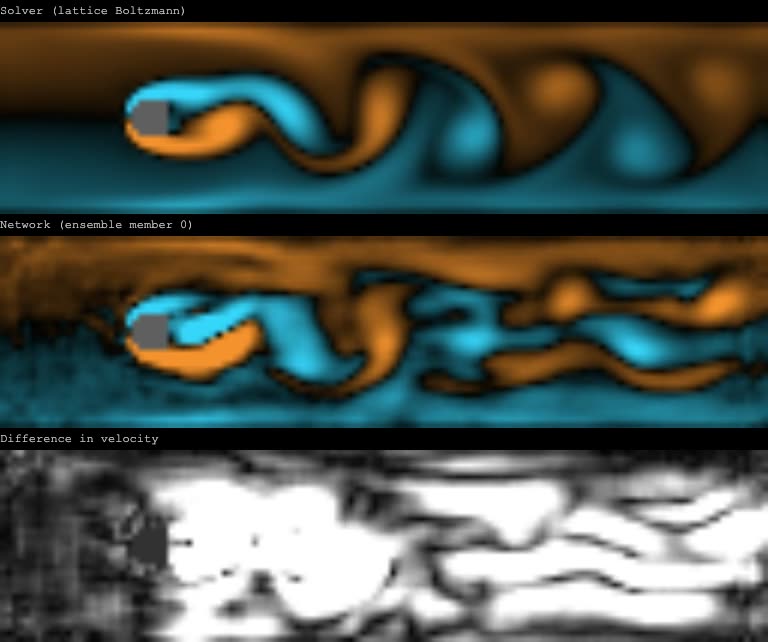
Learned Simulators: Early Warnings →
A neural network stands in for a flow solver. Which warnings come on before it goes wrong, and does it pay?
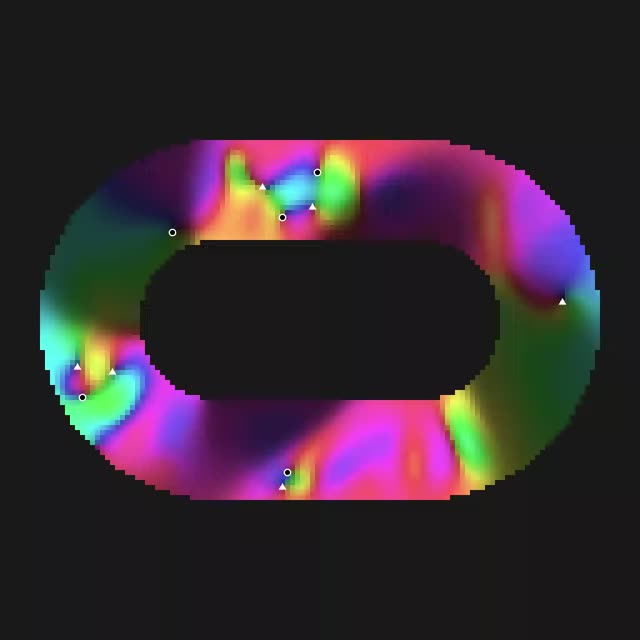
Steering Active Matter →
A self-driven fluid churns into turbulence. Can a fixed pattern of light make it flow one way round a loop?
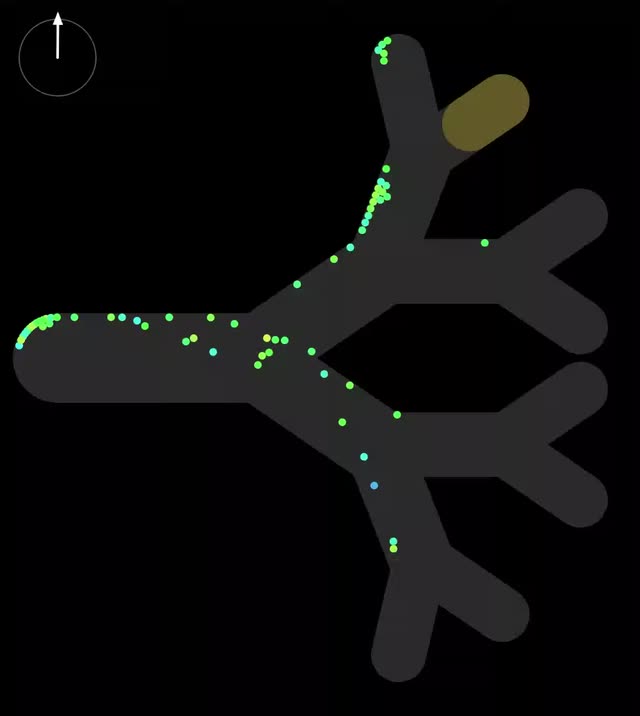
Steering a Swarm →
Every robot feels the same push. Can one field deliver a scattered swarm through branching channels to one outlet?